
Building Africa’s future, one student at a time
STEMxAfrica
We believe Africa’s future in science, health, agriculture, and technology depends on the investments we make now. By 2030, metabolomics should be accessible, celebrated, and aligned with the realities of the AI era across the continent.
These goals are a blueprint for transforming Africa’s role in science — inspiring millions, building labs, training scientists, and forging collaborations so Africa becomes a generator of globally recognized discoveries.

Stand up 10 fully equipped metabolomics centers across Africa by 2035, housing LC-MS and NMR instruments to support research, training, and collaborations rooted in African realities.
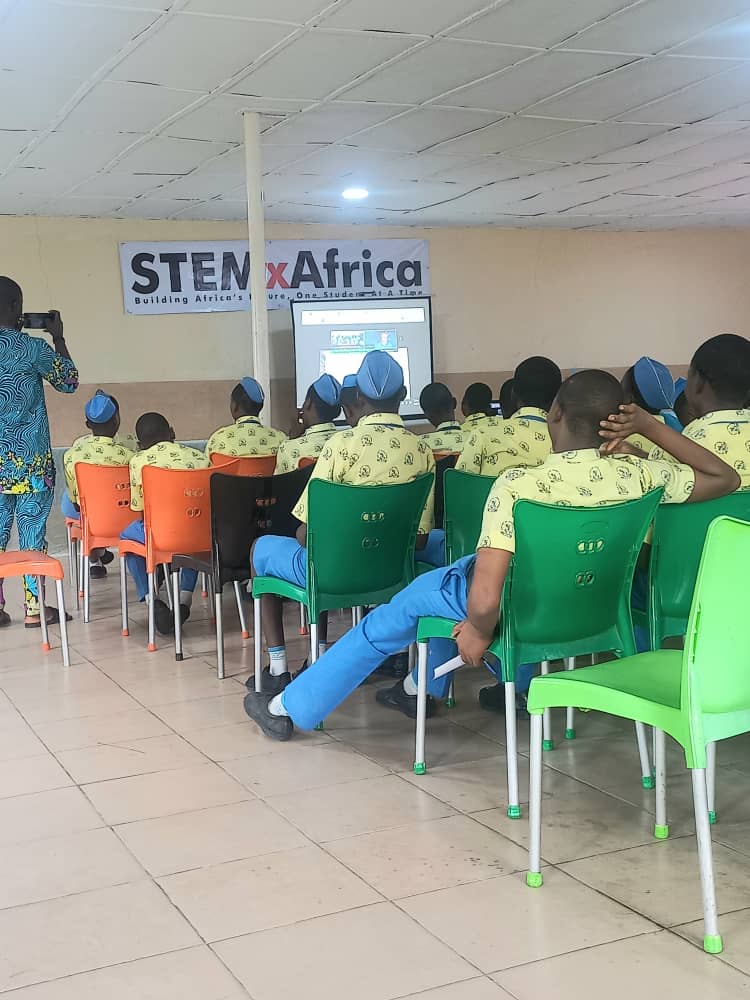
Introduce metabolomics to over 10 million students by 2030 through Omics Clubs, STEM campaigns, AI-enabled edtech, teacher training, and partnerships so every learner gains early exposure.
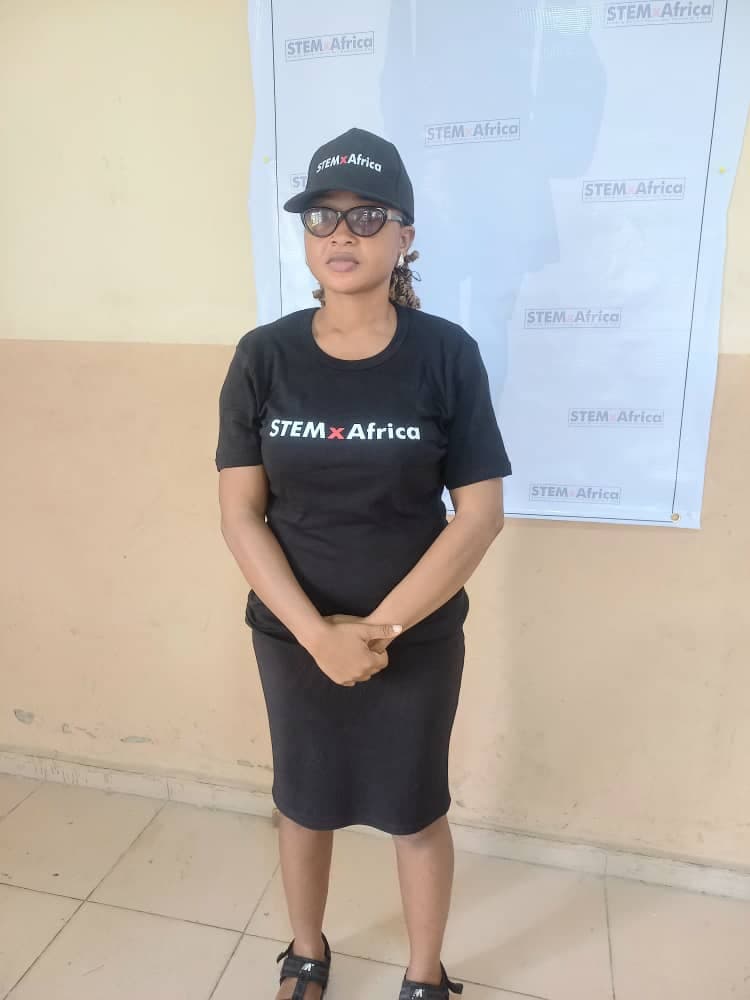
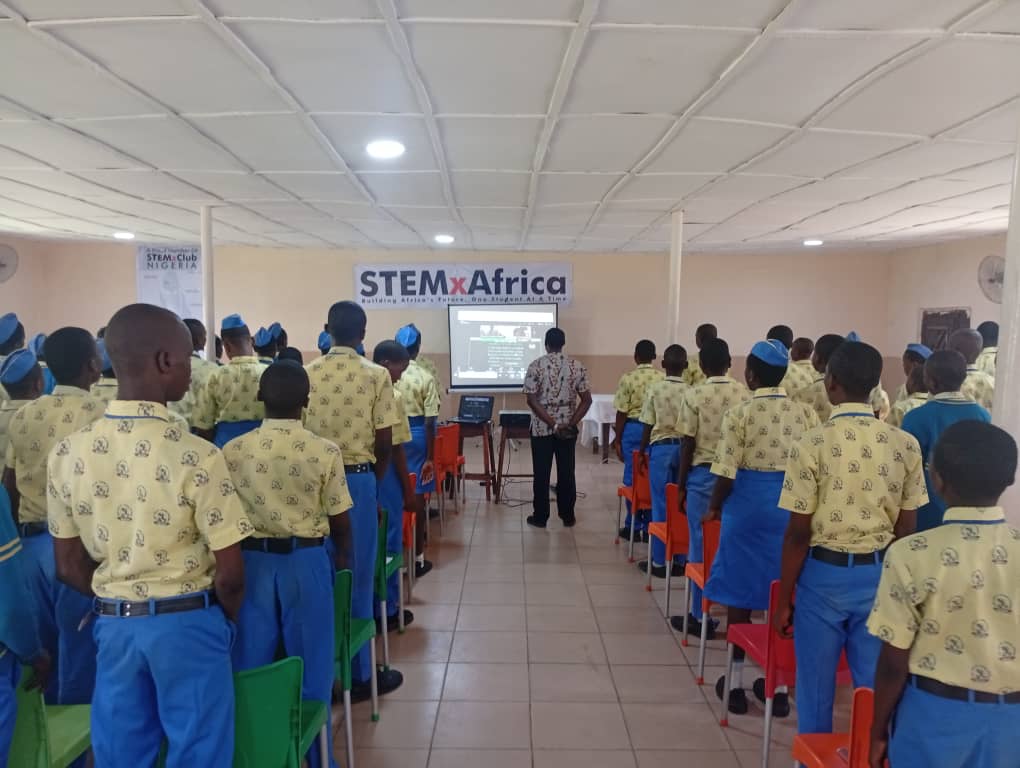
Launch at least 1,000 functional Omics Clubs with learning kits, teacher training, and competitions as grassroots platforms for -omics education across African secondary schools.
Run workshops, fellowships, and online programs that prepare 1,000 African scientists in metabolomics and data science, creating a skilled talent pool to lead breakthroughs.
Secure 100+ active partnerships with universities, labs, industry leaders, and funders to advance training, research, and access to metabolomics infrastructure for Africa.
Building Africa’s future, one student at a time
STEMxAfrica is turning vision into action through initiatives that combine education, research infrastructure, and global collaboration. These initiatives inspire the next generation of African scientists and position Africa as a leader in metabolomics.
Activation model
A continent-wide pipeline that ignites interest in metabolomics and AI among young Africans via outreach campaigns, webinars, and on-site activations that build scientific literacy.
Read more ↗Clubs & continuity
In-school clubs that sustain engagement after activations, guided by trained facilitators, flexible curricula, and real-world problem solving tied to health, climate, and food systems.
Read more ↗